

Development
M3 Design + Development offers comprehensive development consulting that guides projects from initial concept through completion. Our team brings together financial acumen, market awareness, and hands-on project experience to help clients navigate the complexities of real estate development with clarity and confidence.
Every development engagement begins with a clear understanding of the client’s vision, objectives, and constraints. From there, we build a tailored strategy — whether that means conducting feasibility analyses, managing entitlements and permitting, coordinating design teams, or overseeing construction delivery. M3 provides both focused advisory services and end-to-end development management, adapting our role to where we can add the most value.
Our involvement consistently translates into measurable results. By applying disciplined cost analysis, proactive scheduling, and creative problem-solving, we help clients protect their investments and capitalize on opportunities that might otherwise go unrealized. M3’s development team brings a level of ownership and accountability to every project that reflects our belief that our clients’ success is our own.
We have guided developments of every scale and type — from boutique residential projects and mixed-use urban infill to large-format retail centers and international resort communities. This breadth of experience allows us to anticipate challenges, leverage proven strategies, and deliver outcomes that align with each client’s unique goals.
What truly distinguishes M3’s development services is our ability to see the full picture while managing every moving part. We bring the same passion for building and creating that defines our firm to the business side of development — with determination, resourcefulness, and an unwavering commitment to results.
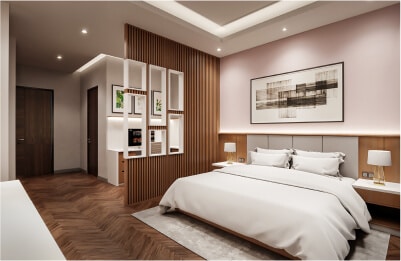
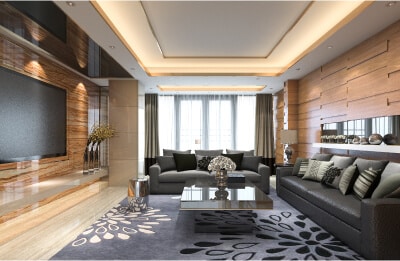
careful consideration must be given to various
Architecture spacing planning is a crucial step in the design process that involves determining the arrangement and allocation of spaces within a building or structure. This planning stage is essential for creating functional, safe, and aesthetically pleasing environments that meet the needs of the intended users.
- Collaboration and Feedback
- Evaluate Space Constraints
- Establish Functional Zones
- Safety and Building Codes

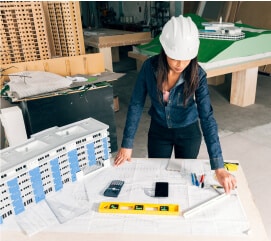
A well-designed spacing plan takes into account the flow and circulation patterns within the building. Efficient movement and logical connections between spaces are essential for a smooth user experience.
Architecture spacing planning is a critical stage in the design process, involving the thoughtful allocation and arrangement of spaces within a building. By considering functionality, flow, safety, flexibility, lighting, ergonomics, aesthetics, technology, and other important factors, architects and designers can create well-designed spaces that meet the needs of occupants while enhancing their overall experience.