

Engineering
M3 Design + Development brings rigorous engineering insight to every phase of a project, from early feasibility studies through construction and beyond. Our team of licensed engineers and technical specialists works closely with architects, developers, and contractors to ensure that every structural, mechanical, and civil system performs as intended — efficiently, safely, and within budget.
We approach each project with a commitment to precision and practicality. Whether coordinating complex MEP systems for a large-scale commercial development or evaluating structural options for a coastal residential build, we tailor our engineering solutions to the specific demands of the site, the program, and the client’s goals. Our methodology is thorough, collaborative, and always grounded in real-world constructability.
The value we bring extends well beyond drawings and calculations. M3’s engineering team identifies opportunities to reduce cost, streamline construction timelines, and improve long-term performance — often uncovering solutions that others overlook. By integrating engineering analysis early in the design process, we help our clients avoid costly changes and make informed decisions with confidence.
Our engineering experience spans a wide range of project types and geographies, from high-rise mixed-use towers in urban centers to resort infrastructure on remote island sites. Across every context, we bring the same standard of technical excellence and attention to detail.
What sets M3’s engineering practice apart is the way we combine technical depth with a builder’s mindset. We don’t engineer in isolation — we engineer with purpose, always keeping the bigger picture and the finer details in clear focus.
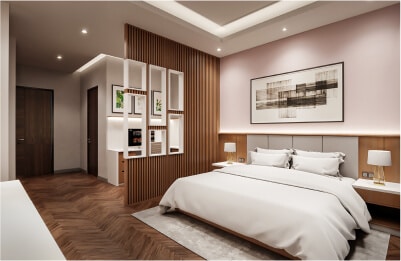
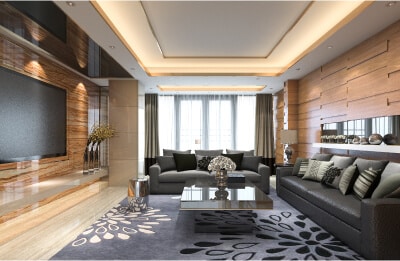
careful consideration must be given to various
Architecture spacing planning is a crucial step in the design process that involves determining the arrangement and allocation of spaces within a building or structure. This planning stage is essential for creating functional, safe, and aesthetically pleasing environments that meet the needs of the intended users.
- Collaboration and Feedback
- Evaluate Space Constraints
- Establish Functional Zones
- Safety and Building Codes

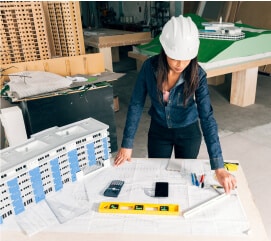
A well-designed spacing plan takes into account the flow and circulation patterns within the building. Efficient movement and logical connections between spaces are essential for a smooth user experience.
Architecture spacing planning is a critical stage in the design process, involving the thoughtful allocation and arrangement of spaces within a building. By considering functionality, flow, safety, flexibility, lighting, ergonomics, aesthetics, technology, and other important factors, architects and designers can create well-designed spaces that meet the needs of occupants while enhancing their overall experience.